Delhi Rains Today: CP, AIIMS, Bikaji Cama Place Among Worst-Hit as Waterlogging Snarls City
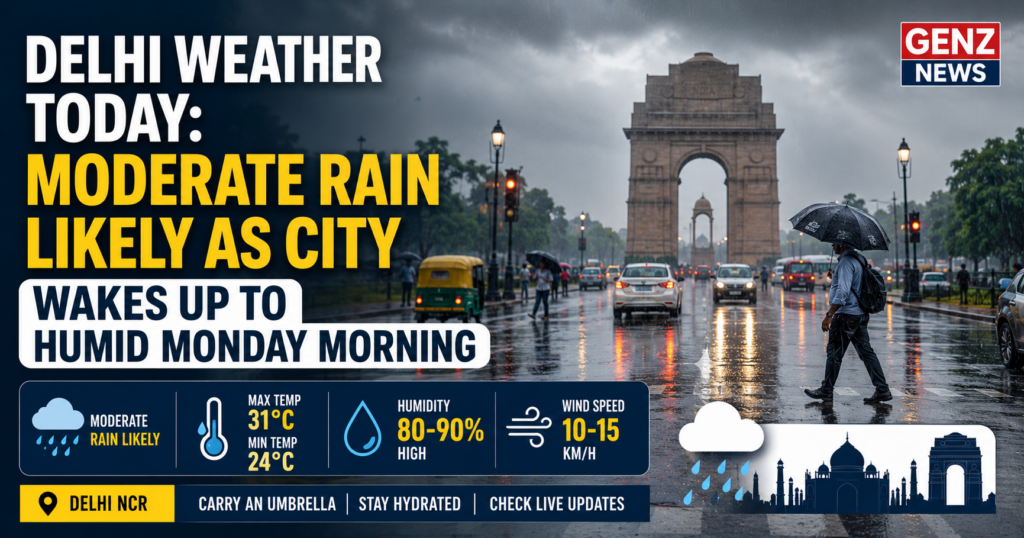
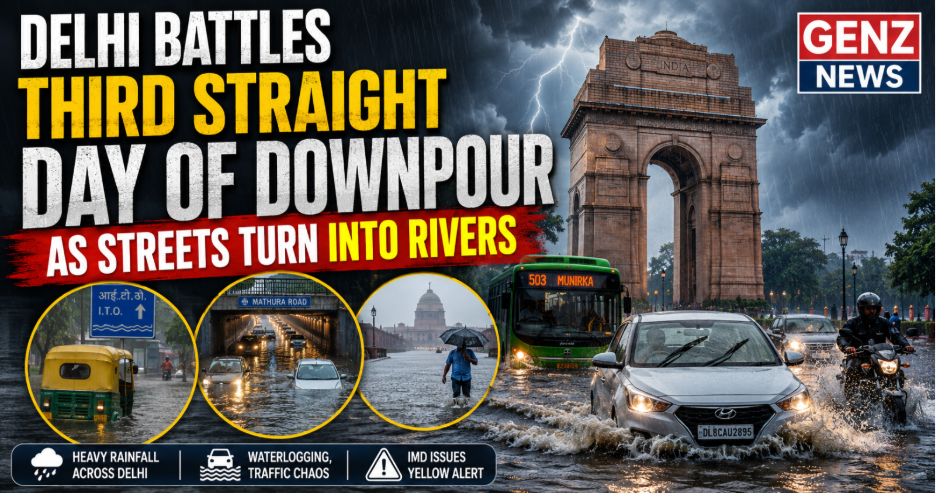
Delhi’s monsoon just won’t let up. Heavy rain lashed the national capital on Tuesday morning, turning several key stretches of the city into waterlogged obstacle courses and leaving commuters stuck in traffic for well over an hour in some pockets. If you’re heading out anywhere in Delhi today, it’s worth checking conditions before you leave, because this is now the third straight day the city has been dealing with this kind of relentless downpour — a pattern our news desk has been tracking closely through the week.
Where the Waterlogging Hit Hardest
Visuals from across the city painted a familiar but frustrating picture. Connaught Place saw water pooling up on the roads as commuters tried to navigate through, while Baba Kharak Singh Marg turned into a slow crawl, with vehicles inching through waterlogged stretches. The AIIMS flyover loop was particularly badly hit, with severe waterlogging reported there, and Bikaji Cama Place saw similar disruption to both traffic and general road conditions. Commuters relying on Delhi and NCR region updates for their daily routes have had a rough few mornings navigating around these hotspots.
Things weren’t much better on the outskirts either. In Gurugram, low visibility combined with waterlogging slowed traffic to a crawl, while in Delhi itself, vehicles near Sangam Vihar reportedly faced delays of up to an hour. MB Road saw one of the more severe jams of the morning, adding to what’s already been a rough week for anyone trying to get around the NCR region.
Why This Spell of Rain Is Different
This isn’t just another routine monsoon shower. The India Meteorological Department has issued a red alert for the region, along with warnings of thunderstorms and surface winds reaching 30 to 40 kmph through the day. That’s a serious enough classification that authorities have advised people to stay away from waterlogged areas entirely, avoid taking shelter under trees during the storm, and keep clear of waterbodies until conditions ease. Those tracking health and safety advisories during extreme weather can find similar precautionary guidance in our lifestyle section as well.
Adding to the disruption, a separate low-pressure system building over the Bay of Bengal is expected to bring heavy rainfall to eastern and central Indian states in the coming days — a reminder that this isn’t an isolated Delhi event but part of a larger monsoon pattern currently sweeping across the country. Readers keeping an eye on broader weather trends can follow our ongoing lifestyle coverage for regional updates as the system develops.
How Authorities Are Responding
The Delhi Traffic Police has been active in trying to manage the chaos, issuing public advisories urging commuters to “remain patient, follow traffic rules and cooperate with traffic personnel deployed on the ground.” That’s become something of a standard refrain during Delhi’s monsoon season, but it’s worth taking seriously — waterlogged underpasses and flooded stretches have historically been where the worst accidents and stalled vehicles pile up during heavy spells like this one. Daily commuters juggling travel costs during disruptions like these may also find our personal finance coverage useful for budgeting around unexpected delays and fuel costs.
Rainfall data from Monday showed Safdarjung recording 3.4 mm and Palam logging 10.6 mm in the 24 hours ending 8:30 am, giving a sense of just how unevenly the rain has been distributing itself across different parts of the city, which is part of why some neighbourhoods feel the pinch far more than others on any given day.
What’s Ahead
There’s a bit of good news buried in the forecast, at least for those tired of dodging puddles on their commute. The weather department has indicated that Delhi will likely continue seeing very light to light rain through Tuesday, before transitioning into a dry spell running from August 26 to 28. If that holds, commuters can expect at least a few days of relief before any fresh spell rolls in.
For now, though, the advice remains the same: plan your commute with extra buffer time, avoid low-lying and underpass routes where possible, and keep an eye on live updates before heading out. We’ll continue tracking this developing weather situation through our regular news coverage as conditions change through the week.
This report is compiled based on updates from the India Meteorological Department (IMD), Delhi Traffic Police advisories, and coverage by ANI and multiple national news outlets.